 Asha Multi-Speciality
Hospital Facilities in Kota: Designed Around Safety, Healing & Human Dignity
Explore the clinical infrastructure, surgical facilities, newborn and pediatric care environment, pharmacy, diagnostics, and patient support systems that come together under one roof at Asha Multi-Speciality Hospital, Kota.
Hospital at a glance
Every facility below is honestly labeled — we’d rather be transparently incomplete than falsely polished.
The patient journey
Not every visit needs every step. Click a step for detail.
The OPD experience
Registration & reception
Your visit starts at reception, where your appointment is confirmed and basic registration details are recorded.
Consultation
You’re seen by the specialist most relevant to your concern — psychiatry, gynaecology, plastic surgery, or pediatrics — with referral between departments if your needs cross specialities.
What happens during a consultation?
- History-taking and clinical examination
- Discussion of your concerns in plain language
- Investigation recommendations, if needed
- A treatment plan you understand and agree to
What should I bring?
- Previous medical records & prescriptions
- Current medication list
- Previous investigation reports
- Vaccination records (for children) or pregnancy records (if applicable)
Operation theatre
1 operation theatre, staffed for general, reconstructive, and cosmetic surgical procedures.
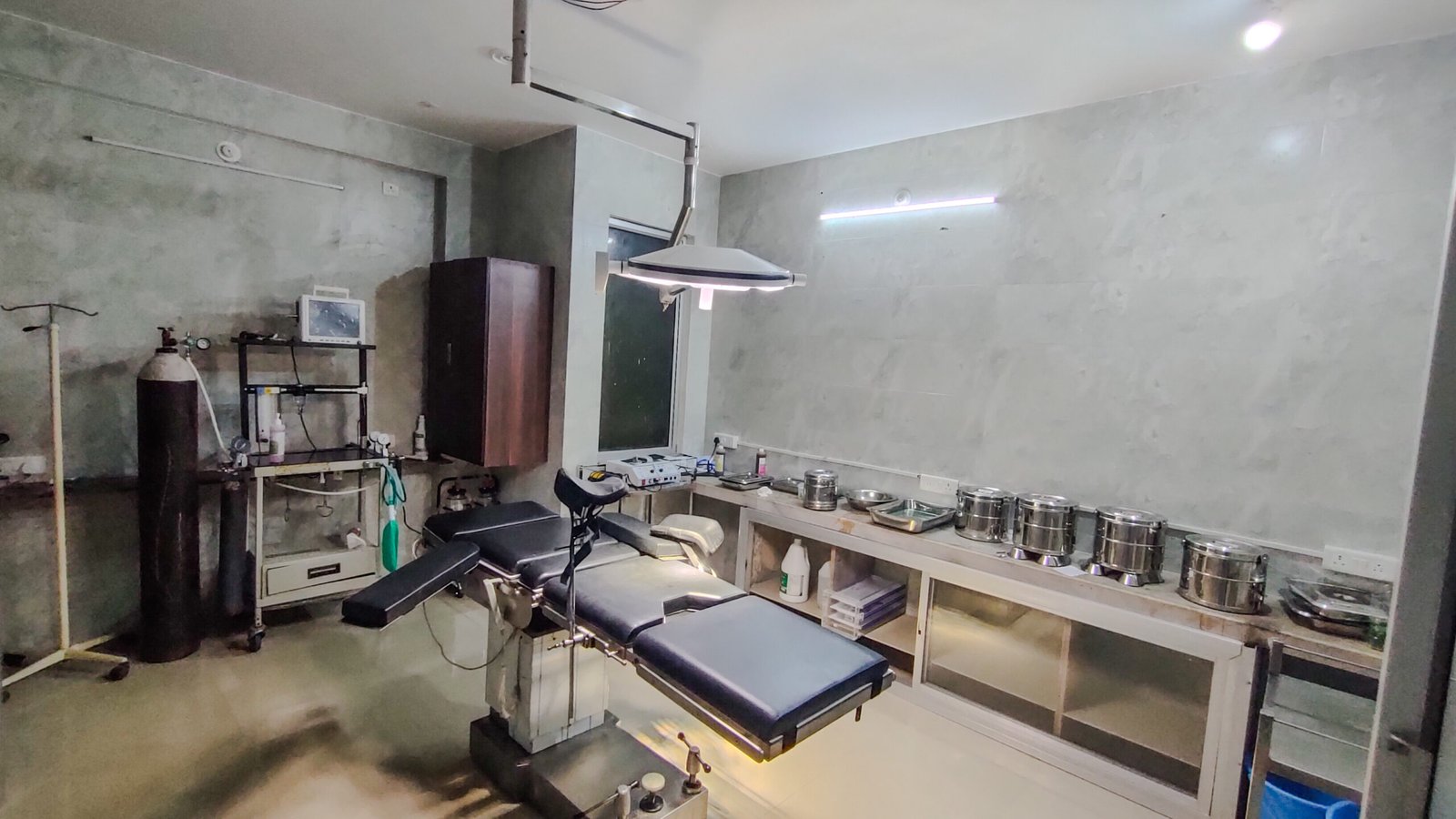
An operating theatre is a sterile, controlled environment where surgical procedures are performed under close monitoring. The surgical team typically includes the operating surgeon, an anesthesia provider, and a nursing/OT support team, each with a distinct role in keeping the procedure safe.
Your surgical journey
Before Surgery
Consultation, investigations, consent, pre-anesthesia assessment.
Surgery Day
Registration, patient identification, fasting confirmation, site marking.
Inside the OT
Anesthesia administration, the procedure, continuous monitoring.
After Surgery
Recovery area monitoring before transfer to your room.
Recovery
Pain management, wound care, mobility as advised.
Discharge
Discharge instructions, medication, and follow-up scheduling.
Surgical safety & anesthesia — an educational primer
Surgical safety is built around a set of standard practices: confirming your identity and the planned procedure, verifying the surgical site, documenting known allergies, reconciling your medication list, and monitoring you closely afterward. We describe these as general principles of safe surgical practice — not as a specific certification, since we don’t hold a claimed accreditation for this.
Anesthesia may be general, regional, local, or sedation-based depending on the procedure — your anesthesia provider discusses which applies to you and what to expect, including a pre-anesthesia assessment beforehand and monitoring throughout. Read more about anesthesia & surgical safety →
NICU — Neonatal Intensive Care ✓ 2 beds confirmed
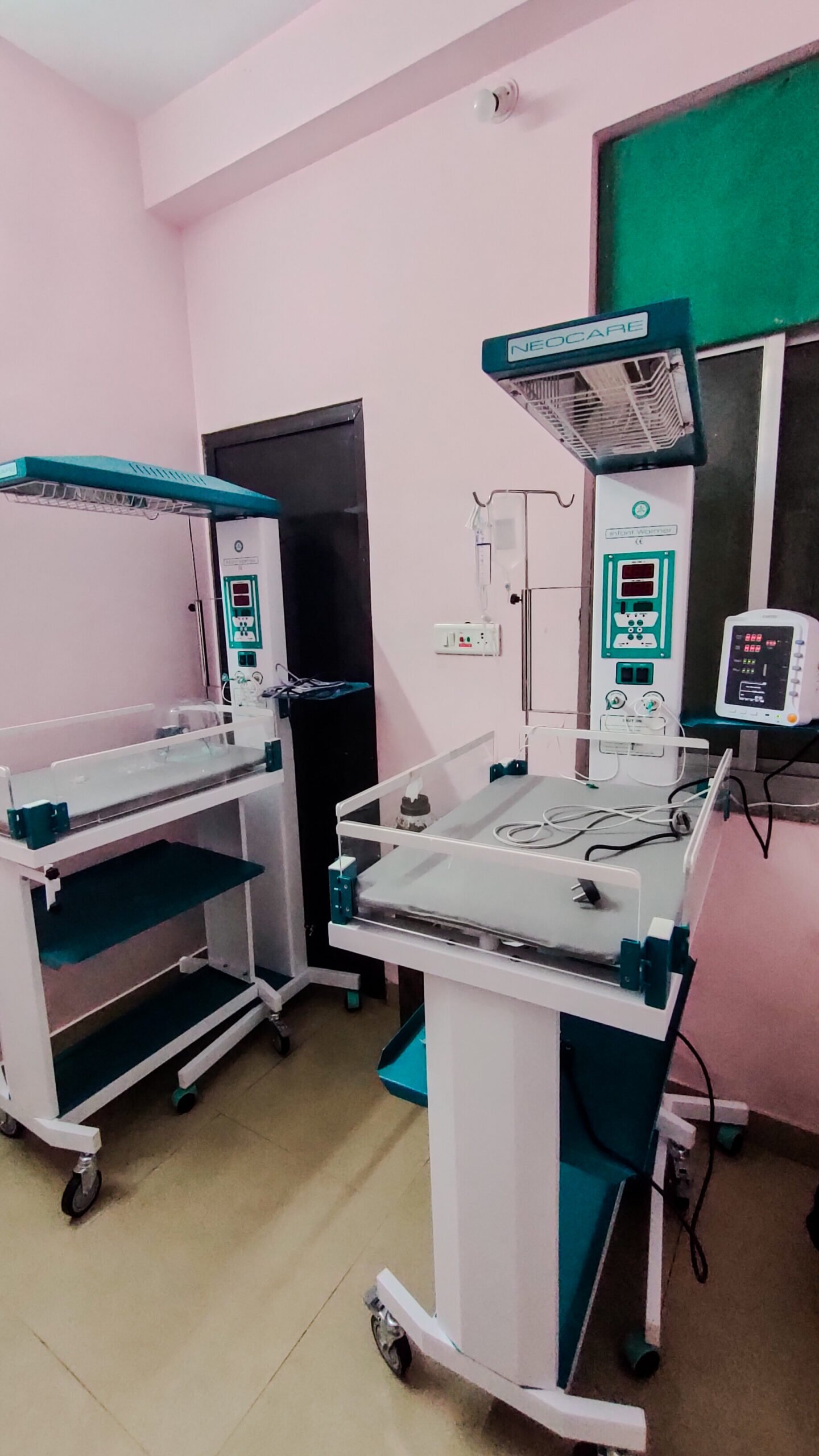
Our NICU provides 2 dedicated beds for newborns who need closer monitoring than a standard nursery — whether due to prematurity, low birth weight, or another early concern. It’s a quiet, closely supervised space, and we know that having a baby here is one of the most emotionally difficult moments a family can face.
Your first visit to the NICU: what to expect
- Hand hygiene before entering — this protects every baby in the unit
- A calm, monitored environment — sounds and equipment can feel unfamiliar at first
- Ask the nursing team any question, as many times as you need to
- Emotional support is part of NICU care, not separate from it
○ Pending Specific visiting hours and hand-hygiene protocols will be confirmed and published once verified with the hospital.
Care environments, by department
Maternity & obstetric infrastructure
From antenatal consultation through delivery and postpartum care, coordinated by Dr. Rinku Chouhan’s team.
Pediatric facilities
Child-friendly consultation through newborn-to-adolescent continuity, from our Pediatric Department.
Psychiatry & mental-health care environment
Confidentiality and non-judgmental consultation are treated as core infrastructure here, not an afterthought — this is what differentiates Asha’s psychiatric environment.
Psychology & counselling facilities
Plastic & reconstructive surgery facilities
Reconstructive surgery restores form and function after trauma, burns, or illness. Cosmetic/aesthetic surgery is elective, appearance-focused surgery. Dr. Piyush Malav’s practice covers both.
Laboratory & pharmacy
Diagnostic laboratory ○ Pending
Specific in-house tests offered are being confirmed for publication. In general, laboratory work involves sample collection, processing, and reporting back to your treating doctor.
How to prepare for a blood test
- Ask your doctor if fasting is required
- Stay hydrated unless told otherwise
- Bring your ID and any lab requisition slip
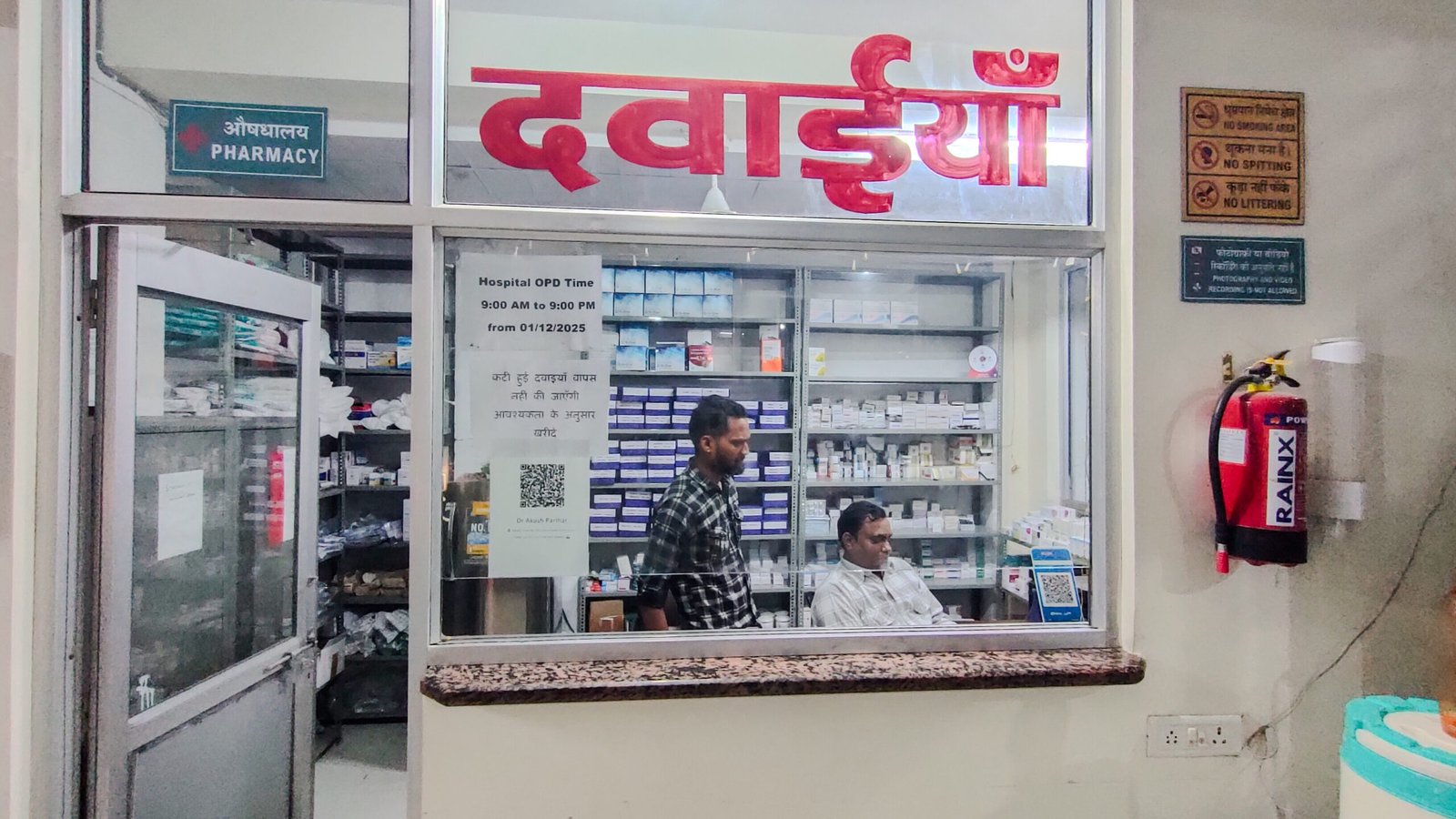
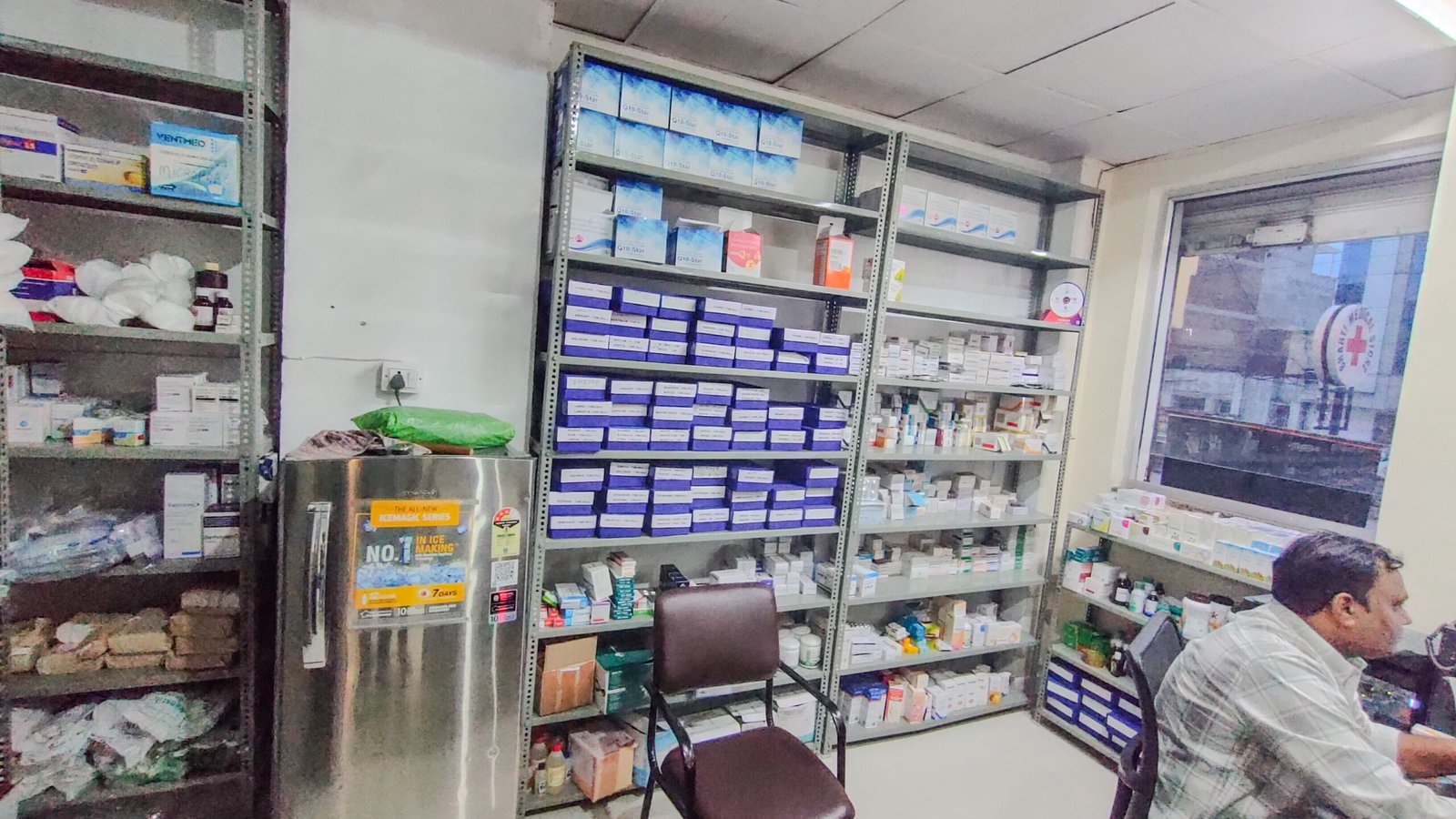
Pharmacy ✓ Confirmed, on-site, retail
Our in-house pharmacy dispenses prescribed medications directly, with medication counselling available for questions about dosage or interactions.
What to check before leaving the pharmacy
- Medicine name and strength
- Dose, timing, and duration
- Any relevant allergies you’ve disclosed
- Storage instructions
- When your follow-up should be
Inpatient care
Patient rooms ✓ 10 beds confirmed
10 inpatient beds are available. Specific room-tier categories (general/semi-private/private) are being confirmed for detailed publication.
Nursing care
Nursing staff support vital-sign monitoring, medication administration, wound care, and patient education throughout your stay. We don’t publish specific staffing ratios, as these haven’t been formally confirmed for web publication.
Emergency / urgent care ✓ 24×7 across all departments
If this is an emergency, seek immediate emergency medical care.
Seek emergency care for:
- Severe breathing difficulty
- Unconsciousness
- Severe bleeding
- Seizures
- Major trauma
- Severe chest pain
- Sudden neurological symptoms
- Serious allergic reaction
- A severely unwell child
- An obstetric emergency
Note: Asha does not currently operate an ICU or an on-site ambulance — for critical trauma requiring intensive care or ambulance transport, please also contact local emergency services.
Patient safety centre
Educational principles we build our practice around — not a claimed certification.
Accessibility & inclusive care
Wheelchair & Lift Access
Ramp and electric lift throughout the building.
Bilingual Care
Hindi and English spoken throughout.
Elderly Care Coordination
Psychiatric & chronic-condition support via geriatric psychiatry.
Student-Friendly Mental Health Care
Confidential support for Kota’s coaching-student population — learn more and see our coaching-culture resource.
Interpreter Services
Facility information: to be updated after hospital verification.
Women & Family-Friendly Care
Pregnancy through postpartum, with privacy prioritized — women’s wellness screening.
Department connection matrix
Tap a connection to see it drawn.
Virtual hospital tour
Using only confirmed photography — sequences without a verified photo show a placeholder rather than a stock substitute.
Exterior ✓
Reception ○
OPD ○
Diagnostics ○
Pharmacy ✓
Operation Theatre ✓
NICU ✓
Patient Rooms ○
A–Z reference
FAQ
Before you visit — checklists
Family care command centre
The science behind modern hospital care
Only real, verifiable sources — gaps are left honestly empty rather than filled with invented citations.
WHO Patient Safety Rights Charter
The international framework behind how we think about avoidable harm in healthcare.
Read source →WHO — Infection Prevention and Control
The evidence base behind hand hygiene, sterilization, and hospital infection control.
Read source →Clinical Establishments (Registration and Regulation) Act, 2010
The regulatory framework Asha is registered under (CEA No. RJ-C19F22A10F).
Read source →What patients should know
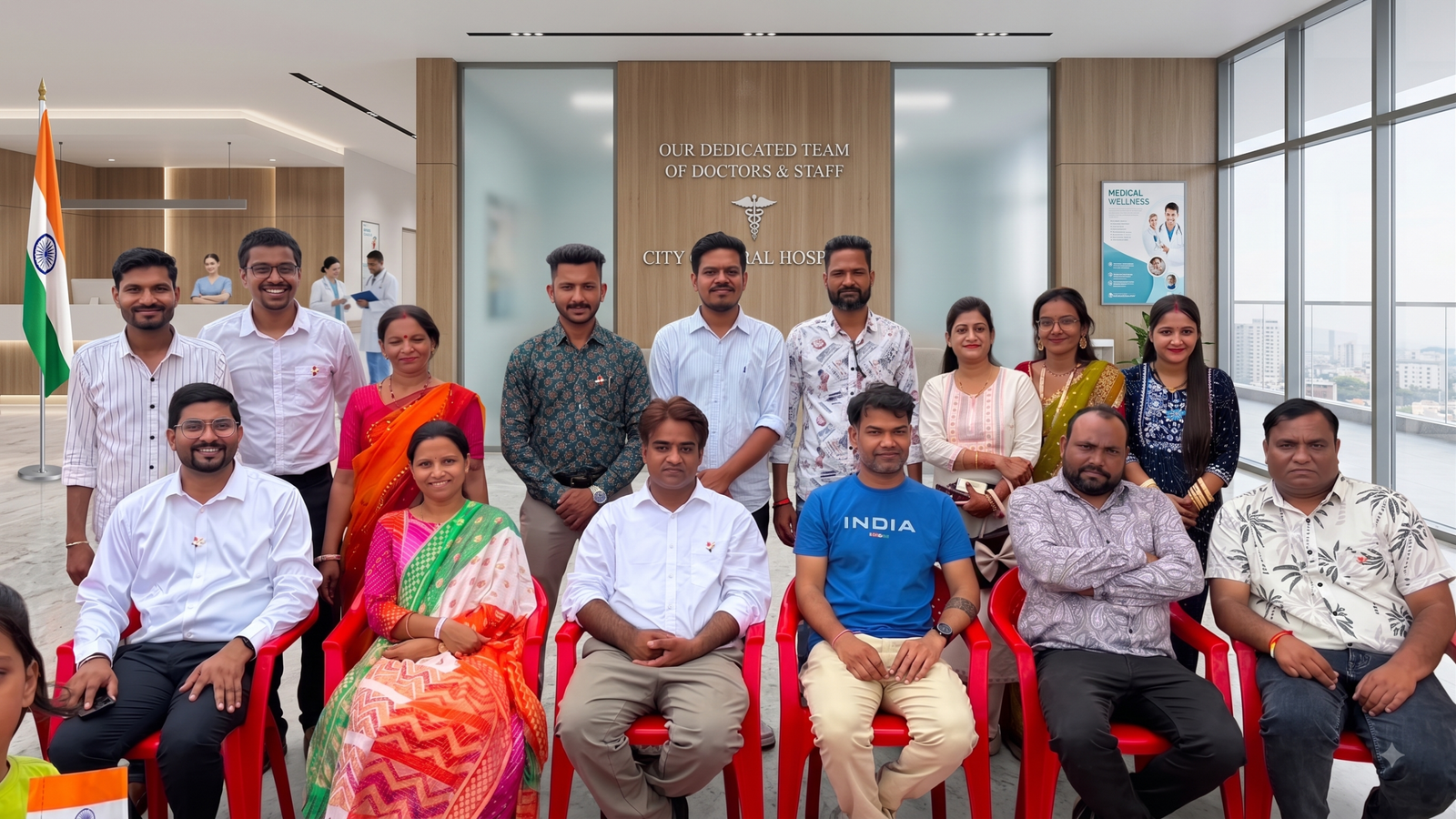
Know Where You Are Going. Know Who Will Care for You.
Whether you’re visiting for a consultation, surgery, pregnancy care, newborn care, or mental-health support, our team can help you understand the next step.