The Best Time to Catch a Concern Is Before It Becomes One
Well-baby checkups aren’t just for when something seems wrong. They’re scheduled visits, even when your baby seems perfectly healthy, to track growth, development, and catch anything worth a closer look early.
Well-baby checkup sirf tab nahi hoti jab kuch galat lage — yeh regular visits hain jo healthy baby ke liye bhi zaroori hain.
Why Checkups Happen Even When Baby Seems Fine
A well-baby visit isn’t waiting for a problem to appear. It’s a scheduled opportunity to track what can’t always be seen day-to-day at home.
Track Growth Over Time
A single measurement means little; a trend over several visits tells a much clearer story.
Monitor Development
Age-appropriate skills are reviewed regularly, not just when a concern is raised.
Stay Current on Vaccination
Checkups align naturally with the immunization schedule.
A Space for Your Questions
Regular visits give parents a reliable, unhurried opportunity to ask anything.
A Typical Visit Schedule
This is a general guide, your pediatrician may adjust the schedule based on your baby’s individual needs.
What Happens at a Well-Baby Visit
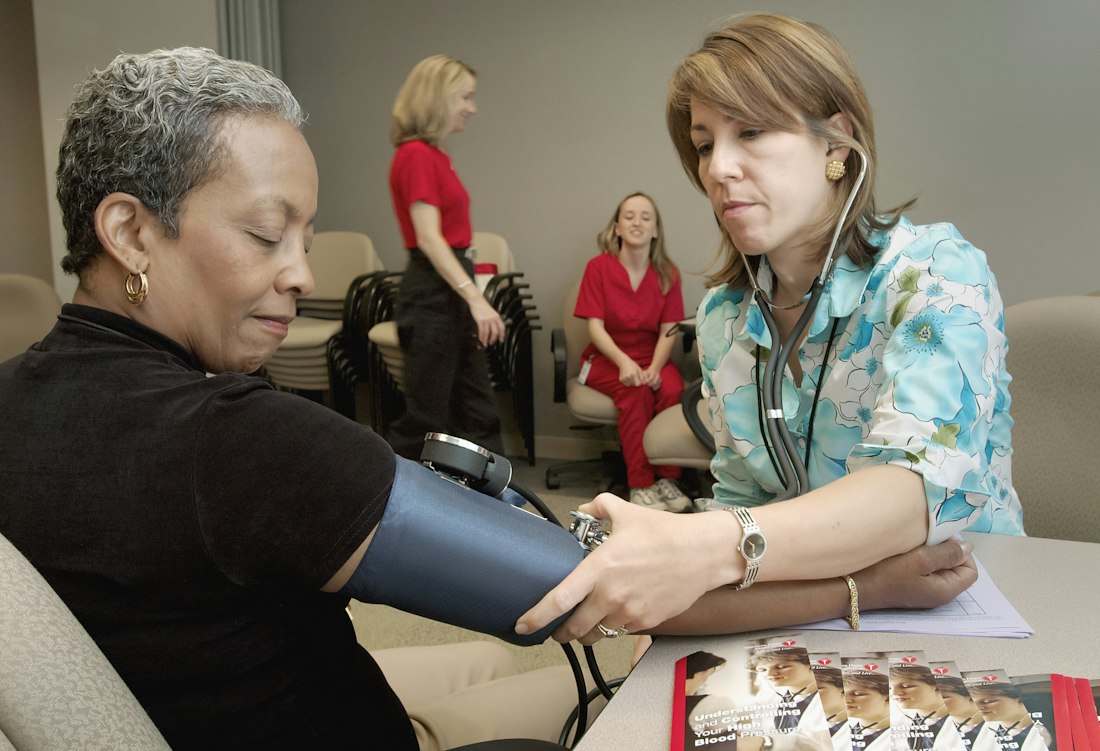
- Your Observations FirstWe start by hearing what you’ve noticed since the last visit.
- MeasurementsHeight, weight, and head circumference, tracked against previous visits.
- Physical ExaminationA general examination appropriate to your baby’s age.
- Development ReviewMovement, communication, and social skills discussed.
- Vaccination, if DueGiven on schedule where appropriate.
- Guidance & Next StepsFeeding, sleep, safety, and what to expect before the next visit.

The First Year: Why Visits Are Frequent
Babies change faster in their first year than at any other point in life. Weight can nearly triple, and enormous developmental progress happens in a short span, which is exactly why checkups are more frequent during this period.
Frequent early visits also mean the vaccination schedule and growth tracking naturally line up, so you’re rarely making a separate trip for just one or the other.
By the second year, as growth and development slow to a steadier pace, visits typically become less frequent.
More frequent visits in infancy, spacing out as your child grows.
A Little Preparation Helps a Lot
Bring With You
- Vaccination card or record
- Previous growth records, if available
- A list of current medications, if any
Note Down Beforehand
- Anything you’ve noticed since the last visit
- Changes in feeding, sleep, or behaviour
- Questions you want to ask
For a Comfortable Visit
- Comfortable clothing for easy examination
- A feeding or comfort item, if helpful
- Some extra time, unhurried visits work best
Checkups Don’t Stop After Infancy
As your child grows, well-child visits continue, though less frequently. Annual checkups through the toddler and school-age years remain valuable for tracking growth, catching developmental changes, and keeping vaccinations current.
These visits also give your child’s pediatrician continuity, a consistent picture of your child’s health over years, not just a single snapshot.
Adolescence brings its own reasons for regular checkups: growth spurts, changing nutritional needs, and topics that are easier to discuss with a familiar, trusted pediatric team.
What We Will Not Promise
A checkup is careful observation, not a guarantee.
That a checkup catches every possible issue
A fixed, identical schedule for every child
That a normal visit means nothing will ever change
Instant answers to every developmental question
Questions Parents Ask
Ready to Book Your Child’s Next Checkup?
Whether it’s your baby’s first well-visit or a routine annual checkup, we’re here to make it thorough, unhurried, and genuinely useful.
Chahe pehli visit ho ya routine checkup, hum poori tarah se dhyan denge.
A healthy child deserves regular attention, not just attention when something goes wrong.
Well-baby checkups are quiet, unhurried opportunities to confirm that growth and development are on track, and to catch anything worth a closer look before it becomes something bigger.