Feeding Is Not Just Food. It’s Growth, Habits, and Relationships.
A child’s nutritional needs change constantly with age. Good pediatric nutrition care looks at growth, development, feeding behaviour, health, and family routine together — not just what’s on today’s plate.
Khana sirf pet bharne ke liye nahi hai — yeh bacche ki growth, habits, aur family ke saath rishtey ka hissa hai.
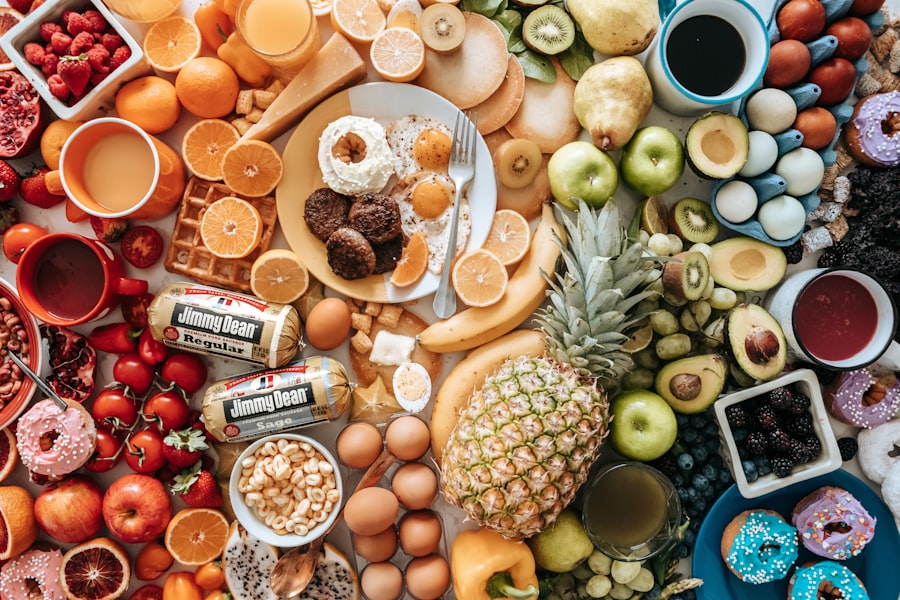
A varied plate built from familiar family foods, not an imported diet chart.
Nutrition Changes as Your Child Grows
Feeding a newborn, a toddler, and a teenager are genuinely different tasks, each stage has its own priorities.
Healthy Nutrition Doesn’t Mean Abandoning Family Food
A good pediatric diet can be built entirely from familiar, affordable, everyday foods, not imported superfoods or expensive supplements.
A balanced child’s plate generally includes a staple (grain), a protein source (pulses, dairy, egg, meat where eaten), a vegetable or fruit, a healthy fat, and adequate water.
Rajasthani home cooking already offers many of these building blocks, dal, roti, khichdi, daliya, bajra-based foods, seasonal vegetables, and curd are all nutritionally valuable, age-appropriate foods.
The goal isn’t a perfect plate at every single meal, it’s variety and adequacy over days and weeks, built from foods your family already eats.
Picky Eating: Normal Phase, or Something to Discuss?
Selective eating exists on a spectrum, from ordinary food exploration to something that occasionally needs assessment. Most children fall well within the normal range.
Nutrients Worth Knowing About
Iron
Supports blood formation and brain development. Found in pulses, dark leafy greens, and jaggery.
Calcium & Vitamin D
Build strong bones. Found in dairy, and vitamin D from safe sun exposure and select foods.
Protein
Supports growth and tissue repair. Found in pulses, dairy, eggs, and meat where eaten.
Zinc & Iodine
Support growth and thyroid function. Found in whole grains, pulses, and iodized salt.
Food Safety & Choking Prevention
Certain food shapes and textures pose a real choking risk to young children, regardless of how nutritious the food itself is. Preparation matters as much as the food choice.
Supervision matters too: eating while running, playing, or lying down increases risk, even with safely-prepared food.
When in doubt, cut foods into smaller pieces, cook them until soft, and always supervise young children while they eat.
Foods Needing Extra Caution
- Whole nuts and hard raw pieces
- Whole grapes (cut lengthwise instead)
- Round, hard foods generally
- Very sticky foods
- Bones in meat or fish
The Thin Child, the Heavy Child — Without Shame
Both deserve the same thing: context, not labels.
“My Child Is Too Thin”
Thinness is a description, not a diagnosis. Assessment looks at weight trajectory, height, dietary intake, appetite, any gastrointestinal symptoms, and family body build, not just how the child looks compared to others.
“My Child Is Gaining Weight Quickly”
Healthy weight care considers growth trajectory, family eating patterns, activity, sleep, and emotional wellbeing together, focusing on long-term health rather than appearance or a single number.

What We Will Not Promise
Good nutrition care is not about a perfect plate at every meal.
Guaranteed height or weight gain from any diet
That one food “boosts immunity” or brain power
Instant resolution of picky eating
One universal meal plan for every child
Questions Parents Ask
Worried About Your Child’s Eating or Growth?
You don’t need a perfect food diary or a diagnosis to start. Bring your questions, your observations, and the foods your child actually eats, we’ll help put nutrition, feeding, and growth into context.
Bas apne sawaal aur observations laayein, baaki hum saath milkar dekhenge.
Feed the child. Support the growth. Protect the relationship with food.
Nutrition is not a competition. Growth is not a race. Eating is not an exam. Good pediatric nutrition asks what your child is eating, how they’re growing, how they experience feeding, and builds a practical plan from there.